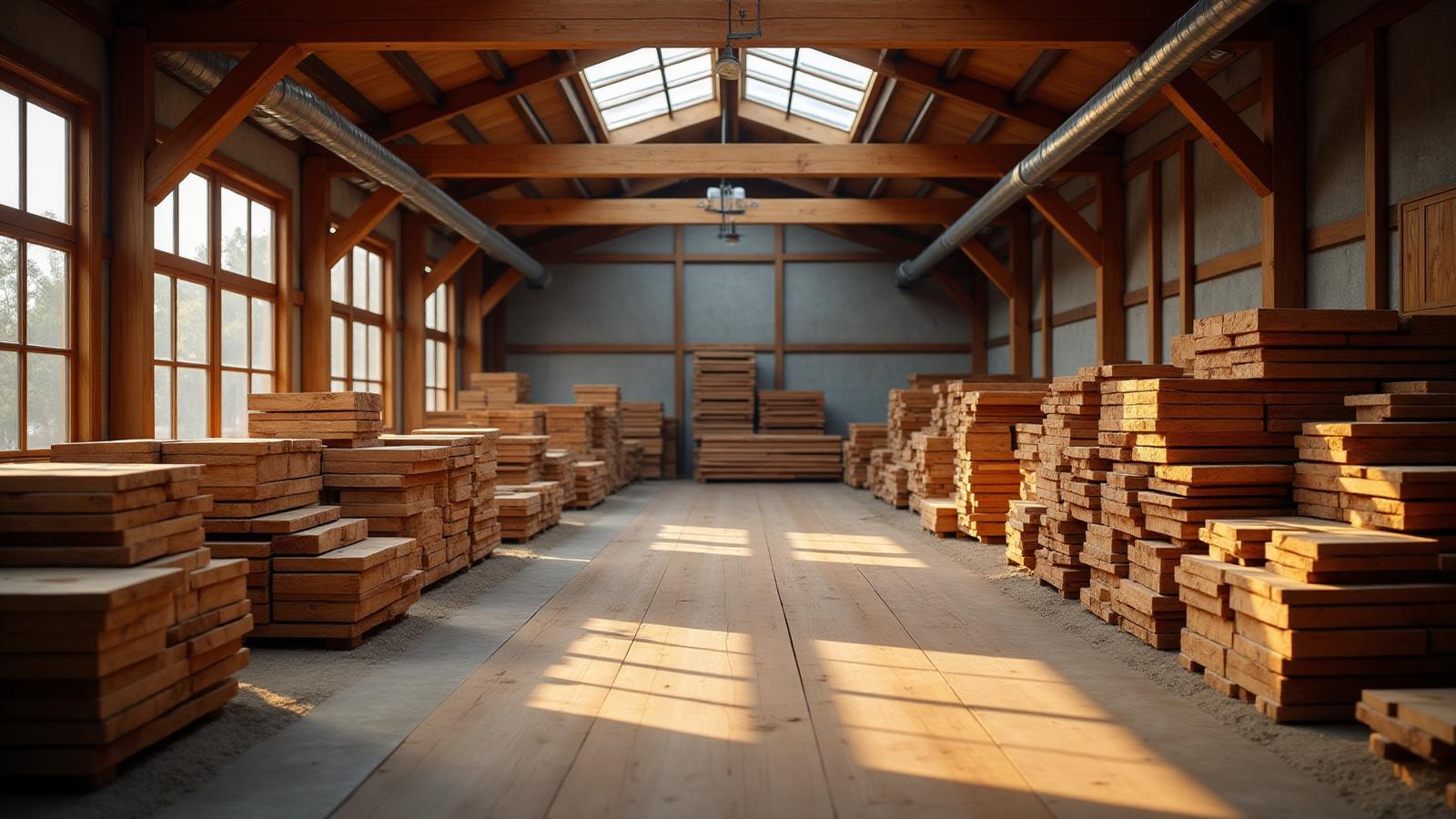
Thin Firewood Stripes
Delivery: 2-7 days
Thin Firewood Stripes
Product Information
Stripes
Mixed Wood
18-22%
2026-03-30
Weight (Tons)
active
Thin Firewood Stripes | Fast Ignition Fuel Wood
Buy thin firewood stripes for tandoor, bakery and boiler use. Quick ignition, clean burning, and easy to handle for daily operations.
thin firewood, firewood stripes, tandoor wood, bakery firewood
Get a custom quote based on your requirements
Description
Thin Firewood Stripes for Fast Ignition and Consistent Heat
Thin firewood stripes are one of the most efficient forms of solid fuel for applications where quick ignition and consistent, controllable heat are essential. These slender wood pieces are widely used in tandoors, commercial kitchens, bakeries, small boilers, and household stoves where frequent firing and stable flames are part of daily operations.
Why Thin Firewood Stripes?
Unlike large logs, thin stripes catch fire more easily and reach working temperature faster, saving time and effort for operators. At the same time, they offer more stable burning than loose waste or very small chips, making them a balanced choice between convenience and control.
Key Advantages
- Fast ignition – Lights up quickly with minimal kindling material.
- Steady heat output – Once burning, thin stripes provide a consistent flame that is easier to manage.
- Convenient handling – Easy to store, stack, and feed into tandoors, ovens, and furnaces.
- Reduced smoke (with proper use) – When used in a well-ventilated system with reasonably dry wood, smoke generation is controlled.
Common Uses of Thin Firewood Stripes
These stripes are particularly popular in:
- Tandoor cooking – Restaurants, hotels, and dhabas use thin firewood to quickly bring tandoors up to cooking temperature and maintain consistent heat for rotis, naans, and kebabs.
- Bakeries – Traditional bakeries that rely on wood-fired ovens prefer thin fuel for even heat distribution.
- Small boilers and furnaces – Industries running small steam boilers or process heaters can use stripes as part of their fuel mix.
- Household chulhas and stoves – Rural and semi-urban households that still rely on solid fuel appreciate the ease of lighting and handling.
Fuel Efficiency and Handling
When used correctly, thin firewood stripes can help control fuel costs and improve working comfort:
- You can add fuel gradually to match demand instead of overloading with large logs.
- Balanced stripe size allows better air flow around the fuel, supporting efficient combustion.
- Regular shapes make stacking and storage easier, reducing clutter around the firing area.
Who Should Use Thin Firewood Stripes?
This product is ideal for:
- Restaurants, hotels, and caterers using tandoor or wood-fired cooking equipment.
- Bakeries and sweet shops with traditional wood ovens.
- Small industrial units using compact boilers or heaters.
- Households that prefer wood fuel for taste, availability, or cost reasons.
Storage and Best Practices
To get the best performance from thin firewood stripes:
- Store them in a dry, shaded area protected from direct rain.
- Ensure there is adequate ventilation to keep moisture low.
- Use appropriate safety precautions when handling open flames, especially in busy kitchens and workplaces.
Frequently Asked Questions
Are thin firewood stripes suitable for all tandoors?
Yes, in most cases. They are particularly suitable for commercial and traditional tandoors that rely on wood or charcoal-based heat. Quantity and firing pattern can be adjusted to match the size of the tandoor.
Do these stripes produce a lot of ash?
Ash generation depends on the type of wood and firing conditions, but properly seasoned, good-quality stripes usually produce a manageable amount of ash that can be cleared between shifts.
Can I mix thin stripes with larger firewood logs?
Yes. Many users start the fire with thin stripes for quick ignition and then add larger logs or other fuels for longer burn time, depending on equipment and cost preferences.