A comprehensive guide to wood types for construction in Gujarat - teak, pine, oak, sal, deodar, and more. Learn which timber is best for structural framing, flooring, roofing, doors, and furniture.
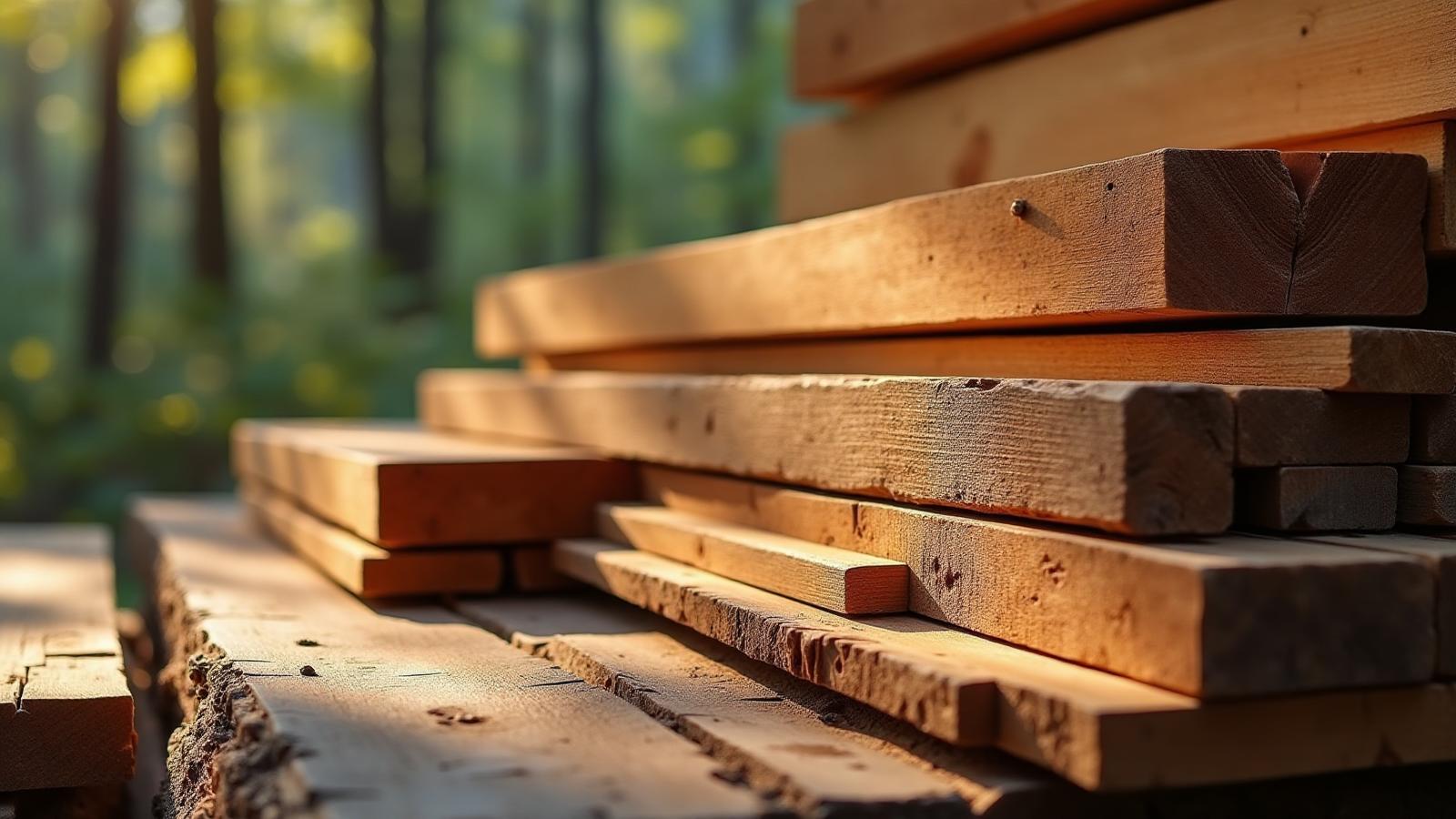
Choosing the Right Wood for Construction in Gujarat
Selecting the right timber species for your construction project is one of the most important decisions a builder or architect makes. The wrong wood choice can lead to warping, pest infestation, structural failure, or costly maintenance over time.
In Gujarat, where the climate ranges from dry heat to monsoon humidity, wood selection must account for moisture resistance, structural strength, and durability. This guide covers the most widely used construction timber species available from sawmills in Gujarat, along with their best applications.
Hardwood vs Softwood - What Is the Difference?
The terms hardwood and softwood do not always refer to the actual hardness of the wood. They refer to the type of tree the wood comes from:
- Hardwoods: Produced by broad-leaved, deciduous trees (teak, oak, sal, neem). Generally denser, stronger, and more durable. Ideal for furniture, flooring, doors, and structural applications requiring longevity.
- Softwoods: Produced by coniferous trees (pine, deodar, cedar). Generally lighter, easier to work with, and more affordable. Widely used in construction framing, formwork, packaging, and temporary structures.
Top Wood Species Used in Gujarat Construction
- Teak (Saagwan): The gold standard of Indian construction timber. Naturally resistant to termites, moisture, and decay. Used for premium furniture, doors, windows, flooring, and boat building. Long lifespan (50–100 years). Higher cost but outstanding return on investment.
- Pine (Chir Pine / Radiata Pine): The most widely used construction softwood in Gujarat. Affordable, lightweight, and easy to cut. Ideal for structural framing, roof trusses, formwork (shuttering), false ceilings, and packaging. Treat with preservatives for outdoor use.
- Sal (Shorea robusta): One of India's strongest hardwoods. Excellent for heavy structural applications - floor joists, door frames, heavy furniture, and railway-grade sleepers. Naturally resistant to pests. Moderate cost.
- Deodar (Indian Cedar): Aromatic softwood known for its natural termite resistance and pleasant fragrance. Popular for doors, window frames, wardrobes, and residential construction. Widely used in Gujarat housing projects.
- Oak: Premium hardwood with a beautiful grain pattern. Ideal for high-end interior furniture, cabinetry, stair treads, and flooring. Higher cost; primarily used in luxury residential and commercial fit-outs.
- Neem (Azadirachta indica): Locally abundant hardwood in Gujarat with natural pest-repellent properties. Used for furniture, agricultural tools, and interior joinery. Cost-effective and sustainable.
- Mango Wood (Aam): Fast-growing and sustainable hardwood increasingly used for furniture, flooring, and decorative panels. Good grain pattern, affordable, and environmentally friendly.
Which Wood Should You Use? Application Guide
- Structural framing and beams: Sal, teak, or pine - depending on budget and load requirements.
- Roofing (trusses and purlins): Pine, deodar, or sal for light to medium roof loads.
- Formwork and shuttering: Pine, as it is cost-effective and reusable for multiple pours.
- Doors and window frames: Teak or deodar for residential; sal for commercial and institutional.
- Flooring: Teak, sal, or oak for durability; mango wood as a sustainable alternative.
- Furniture and interior joinery: Teak, oak, or neem for high-end; pine or deodar for mid-range projects.
- Packaging and pallets: Pine or sal off-cuts - strong enough for load-bearing, cost-effective.
Important Timber Specifications to Check Before Buying
Regardless of species, always verify these specifications before ordering timber from any Gujarat sawmill:
- Moisture content: 8–14% for furniture/joinery; 15–18% for structural/construction. Higher moisture causes shrinkage and warping after installation.
- Grade: Grade A/Premium for visible applications; Grade B/Construction for structural use; Grade C for packaging.
- Dimensions: Confirm actual (finished) vs nominal dimensions. Custom cutting ensures you get exactly what your project needs.
- Treatment: For outdoor or high-humidity applications, confirm the timber has been treated for termite and moisture resistance.
Frequently Asked Questions
Which is the best wood for construction in Gujarat?
For premium, long-lasting construction, teak is the best choice in Gujarat due to its natural pest resistance and durability. For cost-effective structural work, pine and sal are excellent options. AB Sawmill supplies all major timber species in custom sizes.
Is teak wood expensive in Gujarat?
Teak is a premium timber species and is priced higher than pine or sal. However, its longevity, natural pest resistance, and low maintenance costs make it cost-effective over the long term for furniture, doors, and flooring applications.
What wood is used for formwork (shuttering) in Gujarat?
Pine is the most commonly used wood for formwork and shuttering in Gujarat construction projects. It is affordable, available in large quantities, and strong enough for multiple concrete pours when properly maintained.
Need Expert Timber Help for Your Gujarat Project?
AB Sawmill supplies custom size timber, lumber, firewood, and sawdust across Ahmedabad, Surat, Vadodara, Rajkot & all Gujarat.